3 minute read
Every child, every week
Next steps with intention, and the thread that shows what works.
There's this one sentence in Ofsted's early years inspection toolkit that sums up so much of what we do:
"Integral to teaching is how practitioners assess what children know, understand and can do, taking account of their interests and dispositions to learn, and using this information to plan children's next steps in learning and to monitor their progress."
Doing this well for every child each week might feel like a lot, especially when time is short. Here's what that looks like with one child.
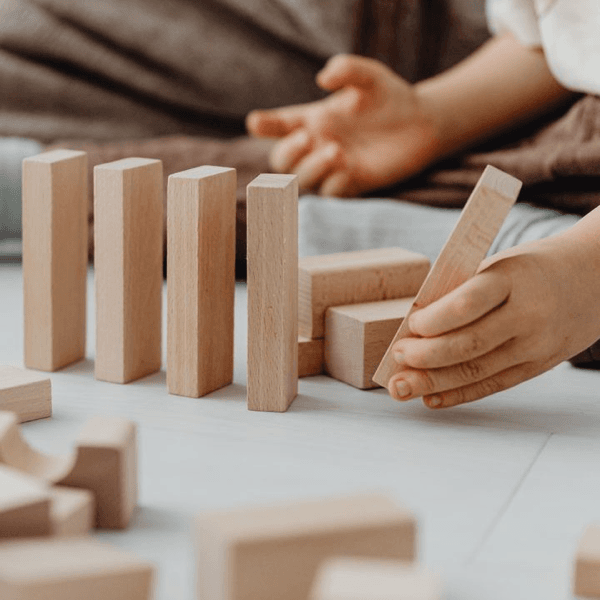
What a child knows and can do. Leo builds a tower, knocks it down and starts again, counting the blocks out loud. The observation isn't just the tower. It's what the tower shows: he keeps going when things fall, and he's practising counting.
When this observation goes into Observe Thread, it picks out the learning within it, linked to the EYFS and the characteristics of effective learning:
Leo spent ten minutes building a tower, knocked it down, and started again, counting the blocks out loud.
Understanding the world
A role she chose, and keeps coming back to.
Active learningUnderstanding the world
Noticing a living thing up close.
Playing and exploringCommunication & language
Imagining how the snail feels, and explaining why.
Creating and thinking criticallyPersonal, social & emotional
Gently including a friend.
Their interests and how they learn. He chose to start again, without being asked. That's a disposition to learn, and it's worth as much attention as the counting. It tells you how to reach him next.
A next step with intention. A natural next step might be: "Leo enjoys construction. Provide a wider range of blocks and shapes, such as cylinders, arches and planks, to extend his building." It's a good idea, and he'd probably love it. Observe Thread suggests ideas that build on what it noticed, so the next step always has a clear purpose.
What it suggests. For Leo, Observe Thread offered two ideas. The first goes a step beyond more blocks: a simple challenge, "Can you make this one taller or stronger?", while you stay nearby to notice how he tests, changes and rebuilds. The second joins his counting naturally: "You have six blocks. What happens if we add one more?" You choose the one that fits.
Coming back to it. Next time Leo builds, does he count on his own? Does he keep going when it falls, or try a new way to make it stand?
Reflection 1
The child responded well
Counted to 6 with me, then said 7 on his own.
Reflection 2
Something worth noticing
Rebuilt the tower four times after it fell. Asked me to watch.
Reflection 3
The child responded well
When it fell, he tried a wider base. Said “mine’s taller”.
◉ Insights
Growing confidence with number
Counting and comparing further each time, with an adult beside him.
Noticed in 2 reflections (Reflections 1 and 3)
Persistence
Persists when the tower falls, and tries new ways to make it stand.
Noticed in 2 reflections (Reflections 2 and 3)
How one observation becomes a learning story. Each step is saved to the child's thread. Observe Thread looks across a child's reflections and draws out the patterns, joining up the dots that are easy to miss in a busy week. That brings clarity around what helps each child, and keeps your practice purposeful. You can pick up where you left off, and talk confidently about their learning with a colleague, a parent or anyone who asks.
That's why we built Observe Thread. Meaningful next steps are where our thinking reaches the child. Over time, each child's thread becomes the explanation, and you still decide, because you know the child best.