3 minute read
The unhurried goodbye
Separation at drop-off, and why rushing it can make it harder.
Every setting knows the morning. A child clings to their parent at the door, the tears start, and there's a quiet pressure to get it over with quickly: take the child, wave the parent off, move on.
It's worth a second glance.
An upset child isn't a problem to solve as fast as possible. If a child is upset, they're likely to cry whether the goodbye takes ten seconds or two minutes. So they may as well have the extra moment.
What an unhurried goodbye can look like:
- Let the goodbye happen together. If the parent has time, invite them in to say goodbye in the way their child needs.
- Give a real timeline, and keep to it. "When you've put your bag away, Mummy will go home." You can echo it: "You've got one more minute, then you'll put your bag away and Mummy will say goodbye."
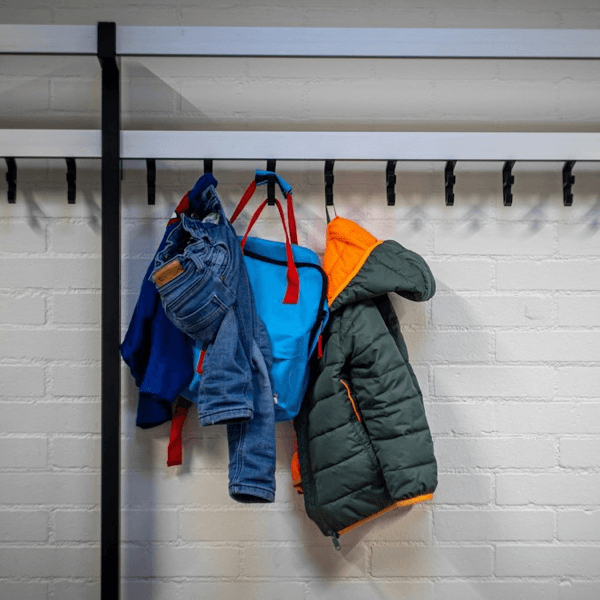
- Let the parent see where things go. Where the bag lives, where the shoes go. It helps the setting feel like a known place.
- Don't take the child from the parent's arms straight away, unless there's a reason. Sometimes there is, and you'll know.
Why it matters over time: when children learn that they'll get the time they've been promised, they learn to trust the goodbye. If leaving home always ends with being hurried through a door, some children start not wanting to leave the house at all.
If the child is still upset after ten minutes, the goodbye isn't over yet. Within your setting's policy, a comfort object, a favourite activity or some quiet time can help. If they're still crying, stay with them a little longer than you might with a settled child: ten minutes rather than two, perhaps with a short activity together. It helps them feel settled, and helps them feel they matter.
It may feel slower at first. Over the weeks, it's often what makes mornings easier.